Butterfly Line Art Embroidery: A Designer Review
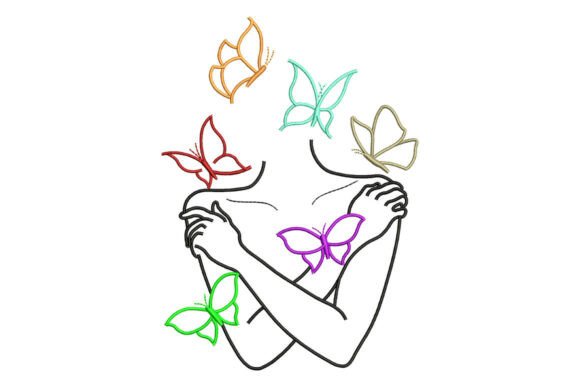
As a designer who has spent years curating machine embroidery design libraries for both personal projects and client work, I approach every new file with a mix of excitement and skepticism. The market is flooded with generic patterns, so finding a piece that balances artistic integrity with technical reliability is rare. When I first loaded the Butterfly Line Art Embroidery file into my software, I was immediately struck by its concept. It promises a unique visual narrative: elegant line art of crossed arms surrounded by colorful butterflies in a minimalist style. This isn't just another floral motif; it suggests a story of protection, nature, and delicate strength. But does this aesthetic hold up under the scrutiny of real-world stitching? Let's dive into how this embroidery file performs when moved from the screen to the fabric.
First Impressions: Minimalism Meets Vibrancy
The initial mood created by Butterfly Line Art Embroidery is one of modern sophistication. In an industry often dominated by heavy fill stitches and complex shading, the clean outlines here offer a breath of fresh air. The description highlights "clean outlines combined with vibrant butterfly accents," which translates visually to a design that relies on negative space to let the colors pop. For a craft business owner or an Etsy seller looking to elevate their brand, this minimalist approach is a powerful tool. It signals quality without shouting for attention.
However, the inclusion of "crossed arms" adds a layer of complexity. While the butterflies are likely standard shapes, the human element requires precision. If the line weight is too thin, the arm details could get lost in the weave of the fabric. If they are too thick, the design loses its delicate charm. As I reviewed the digitization, I noted that the success of this piece hinges entirely on the balance between the structural lines of the arms and the organic flow of the wings. This is not a design you can simply slap onto any surface; it demands a thoughtful placement strategy.
Real-World Application: From Totes to Sweatshirts
To truly evaluate Butterfly Line Art Embroidery, I imagined it in a specific scenario: preparing a custom embroidered tote bag for a boutique launch. Imagine a sturdy, natural canvas tote. Placing this design near the top corner would create a striking focal point. The vibrant thread colors of the butterflies would contrast beautifully against the neutral canvas, while the line art of the arms would provide a grounding element that feels intentional rather than random.
This design also shows immense potential for custom apparel, particularly sweatshirts. On a heather grey or cream-colored sweatshirt embroidery project, the minimalism allows the garment's texture to remain visible, preventing the look from becoming too "costume-y." For those selling handmade product lines, this versatility is key. You could use the same digital embroidery file to create a cohesive collection ranging from baby onesies to adult hoodies. The whimsical nature of the butterflies makes it perfect for baby embroidery items, yet the crossed arms add a touch of maturity that keeps it appropriate for older children and adults alike.
I also see strong potential for this as an embroidered patch. Because the design is largely outline-based, it would stitch cleanly on twill backing. These patches could be sold as standalone accessories or used to decorate denim jackets and backpacks, adding a unique flair to small shop product offerings. The ability to adapt the design across different mediums—from soft fabrics to structured patches—increases its value as a commercial asset.
Navigating Technical Challenges and Fabric Choices
While the aesthetic appeal is high, practical application requires caution. The "line art" aspect of Butterfly Line Art Embroidery presents specific challenges depending on the substrate. On textured fabrics like linen or chunky knits, fine lines can sometimes disappear or look jagged. If you plan to use this on a kitchen towel or a pillow cover made of heavy cotton, you must ensure the stitch density is sufficient to define the lines without puckering the material.
Fabric choice is critical. On dark fabrics, the "vibrant butterfly accents" will shine, but the white or light-colored lines of the arms might require a backing or a specific underlay to prevent show-through. Conversely, on very thin or stretchy fabrics, such as jersey knit t-shirts, the tension required for precise line work can cause distortion. Always test your hoop size and stabilizer before committing to a final run. A tear-away stabilizer might suffice for stable wovens, but a cut-away or wash-away option is safer for stretchy materials to maintain the integrity of the design over time.
Furthermore, consider the washing durability. Designs with extensive running stitches or fine outlines can fray if the thread tension is off or if the wrong stabilizer is used. For products that need frequent washing, like aprons or towels, ensure the digitization uses a secure lock stitch at the start and end of each line segment. This attention to detail separates a hobbyist project from a professional finished product.
Design Notes for Professional Execution
Before integrating Butterfly Line Art Embroidery into your workflow, follow these essential steps to guarantee success:
- Test on Scrap Fabric: Never skip the test run. Stitch the design on a scrap piece of the exact fabric you intend to use. Check if the lines are crisp and if the color transitions between the butterflies and the arms are smooth.
- Check Thread Color Contrast: The design relies on contrast. Ensure the thread colors chosen for the butterflies stand out against the background fabric, and that the line art remains distinct. Sometimes a slightly darker shade for the outline helps visibility.
- Review Stitch Density: Since this is a line art design, the density should be lower than a traditional fill. However, verify that there are no gaps in the lines where the fabric shows through unintentionally.
- Confirm Hoop Size: Measure the design dimensions carefully. If you are working with a small hoop, ensure the intricate details of the butterflies do not get compressed or distorted.
- Inspect Small Details: Zoom in on the digitized file. Look for tiny segments in the wing patterns or the fingers of the crossed arms. These are the areas most prone to breaking during stitching.
- Use Proper Stabilizer: Do not skimp on stabilization. Even for lightweight designs, a good stabilizer prevents shifting and ensures the lines stay true.
- Verify Licensing: Before selling finished items or digital files, confirm the licensing terms. Some commercial embroidery licenses allow unlimited sales of physical goods but restrict the resale of the digital embroidery file itself.
Final Verdict: A Versatile Asset for Creative Entrepreneurs
Butterfly Line Art Embroidery is more than just a pattern; it is a statement piece that bridges the gap between modern graphic design and traditional needlework. Its blend of minimalist line art and vibrant color makes it an excellent choice for designers looking to create unique, high-value items. Whether you are creating a personalized gift for a loved one, stocking shelves for a holiday sale, or building a portfolio for your craft business, this design offers a fresh perspective.
It excels in contexts where subtlety meets impact. The crossed arms motif adds a human connection that resonates with buyers, while the butterflies bring the necessary whimsy associated with the Animals category in Embroidery. However, its success depends on your execution. By respecting the technical requirements of line art and choosing the right fabrics and stabilizers, you can turn this digital asset into a tangible masterpiece that customers will love to wear and display.
If you are ready to move beyond basic motifs and offer something with genuine artistic merit, this design deserves a spot in your library. Just remember to test thoroughly, choose your materials wisely, and let the clean lines speak for themselves. With careful handling, Butterfly Line Art Embroidery can become a signature element in your handmade collection.