Father's Day Machine Embroidery Design Review
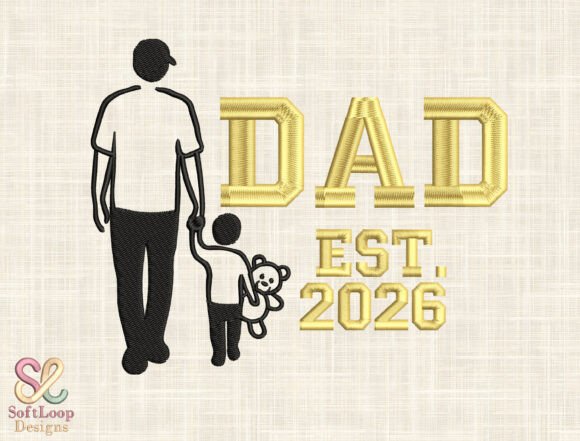
As I set up my booth for the upcoming weekend craft fair, the table is already a mosaic of potential bestsellers. There are stacks of linen tote bags, crisp white aprons, and an array of tea towels waiting to be transformed into handmade products that speak directly to the hearts of shoppers. Among the dozens of machine embroidery design files on my tablet, one stands out for its timely appeal: the Father's Day Machine Embroidery Design featuring the "Dad Est. 2026" motif. Before I commit hours of machine time to production, I need to evaluate this embroidery file not just as art, but as a viable craft fair product.
First Impressions: A Modern Take on Parenthood
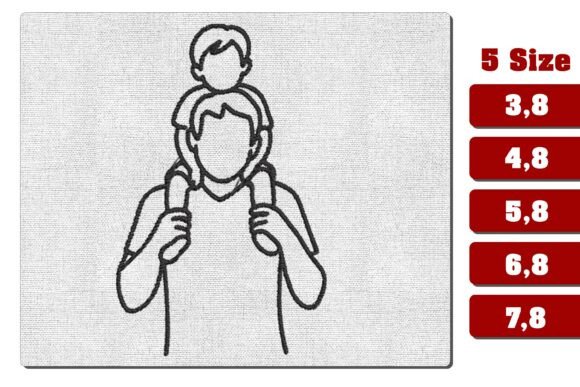
The first thing that catches my eye about this design is its narrative clarity. The description promises a celebration of a lifetime adventure and the precious bond of parenthood, centered around a charming silhouette. In the crowded landscape of Etsy seller listings and local market tables, designs that tell a story immediately grab attention. This isn't just a generic "Best Dad" slogan; it is a milestone marker. The "Est. 2026" element suggests a modern, contemporary aesthetic that feels fresh rather than cliché.
Visually, the silhouette style leans towards a clean, slightly rustic yet modern farmhouse vibe. It avoids the clutter often found in overly detailed vector art, which is a significant advantage for commercial embroidery. When a customer walks past my booth, they need to understand the message within seconds. The combination of the text and the implied imagery creates a focal point that is both bold and heartwarming. It feels like a premium finished product waiting to happen, promising quality without looking cheap or mass-produced.
Product Versatility and Display Strategy
For a craft fair, versatility is currency. I need to know where this digital embroidery file shines brightest. My immediate thought goes to kitchen textiles. An apron embroidery placement on a sturdy canvas or denim apron would be perfect. The "Dad Est." theme resonates deeply with new fathers who are navigating the kitchen chaos of a newborn. Similarly, tea towel embroidery offers a high-margin, low-cost opportunity. These items photograph beautifully for online listings and serve as excellent impulse buys at a physical booth.
Beyond the kitchen, I am considering how this works as a tote bag design. A large format version on a natural cotton tote could serve as a practical gift for baby showers or a celebratory item for the dad-to-be. However, the true star might be the embroidered patch application. Patches are trending heavily among small shop product creators. By stabilizing the design well, I can create durable patches that customers can iron onto jackets, hats, or backpacks. This expands the utility of a single design asset across multiple price points.
For those interested in accessories, a cap application is tempting, but it requires careful consideration of the curved surface. If the silhouette includes fine lines, the curve of a baseball cap might distort the image. Therefore, I would prioritize flat surfaces like pillow covers or fabric pouches for the initial batch. These items allow the stitch density to breathe and ensure the text remains legible from a distance, which is crucial for booth display strength.
Production Realities: Stitch Density and Fabric Texture
While the visual appeal is strong, the reality of production demands a critical eye. As an experienced designer, I know that what looks good on a screen does not always translate perfectly to thread. The mention of a "charming silhouette" implies filled areas. I must check the stitch density carefully. If the fill stitches are too tight, the design could pucker, especially on softer fabrics like t-shirts or thin pillow covers. Conversely, if the density is too loose, the thread colors might show through the gaps, making the design look unfinished.
Fabric texture plays a massive role here. On a thick, textured towel, the needle needs to penetrate deep enough to hold the thread securely without breaking. I will definitely test this on scrap fabric before committing to my inventory. The hoop size is another variable I need to confirm. If the design is intended for small accents, such as a corner of a napkin or a pocket, I must ensure the lettering doesn't become illegible when scaled down. Tiny details often get lost in the weave of heavy fabrics, so I will likely stick to medium-to-large applications for the main booth samples.
Dark fabrics present another challenge. While black or navy blue makes the "Dad Est. 2026" text pop, it requires a backing stabilizer that prevents the thread from sinking into the pile. I will use a cut-away stabilizer for stretchy materials and a tear-away for wovens to ensure the finished product maintains its shape and definition after washing.
Practical Notes for the Creative Entrepreneur
If you are planning to sell products using this machine embroidery design, there are several practical steps to ensure success:
- Test on Scrap Fabric: Never skip the test run. Check for puckering, thread breaks, and alignment issues before embroidering your expensive stock.
- Check Thread Contrast: Ensure the chosen thread colors stand out against the background fabric. High contrast increases visibility and perceived value.
- Review Spacing: Make sure there is enough room between the text and the silhouette so the design doesn't feel cramped.
- Confirm Hoop Size: Verify that the design fits within your machine's hoop constraints without needing awkward re-hooping.
- Create Real Mockups: Photograph actual embroidered items rather than relying solely on printable mockup images. Real photos build trust with buyers.
- Verify Licensing: Always confirm commercial licensing terms before selling finished goods. Ensure you have the right to produce and sell items for profit.
Maximizing Visual Appeal and Sales Potential
The ultimate goal of any embroidery file is to drive sales. The Father's Day Machine Embroidery Design has the potential to significantly boost buyer engagement due to its emotional resonance. New parents are constantly looking for ways to commemorate their journey, and a tangible, handmade item holds more sentimental value than a printed one. By offering this design on high-quality substrates like organic cotton or linen, you elevate the perceived value of the handmade product.
When displayed correctly, this design acts as a conversation starter. A shopper seeing a "Dad Est. 2026" apron might ask, "Is that for your husband?" or "Can you do a different year?" This interaction opens the door for custom orders, which are the lifeblood of many embroidery business owners. Furthermore, the design's clean lines make it highly shareable on social media, providing free marketing for your brand consistency.
In conclusion, this machine embroidery design is a strong contender for the upcoming season. It balances trendiness with timeless sentiment, making it suitable for a wide range of commercial embroidery applications. By paying attention to production details like stabilizer choice and fabric selection, you can turn this digital file into a standout craft fair product that customers will love to take home. Whether you are an established Etsy seller or a creative entrepreneur just starting your booth, this design offers a reliable path to connecting with buyers and celebrating the joy of fatherhood.