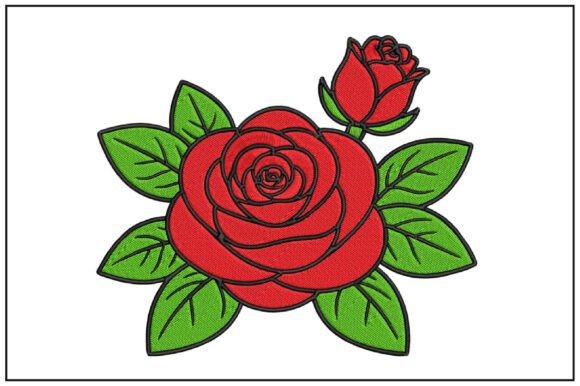
Classic Red Rose Bouquet Embroidery Review
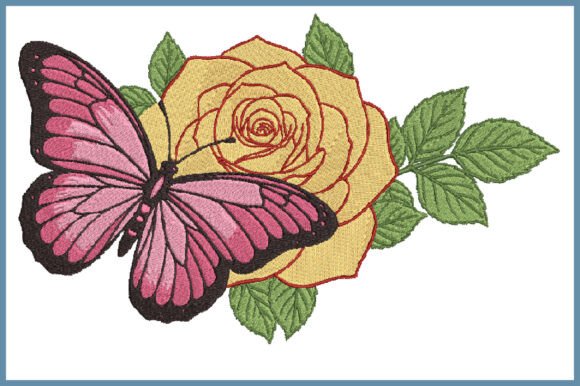
As a professional embroidery designer who spends weekends setting up booths at local craft fairs and managing an online handmade shop, I know that not every design translates well from the screen to the fabric. Today, I am putting the Classic Red Rose Bouquet Embroidery under the microscope. This design is marketed as a timeless addition to projects, featuring a detailed arrangement of blooming roses and leaves intended to capture elegance. But does it hold up when you are standing behind a table full of products trying to catch a passerby's eye? Let's dive into a real-world evaluation of this machine embroidery design for your business.
First Impressions: Elegance Meets Market Appeal
When I first loaded the preview of the Classic Red Rose Bouquet Embroidery, the immediate vibe was premium and traditional. It leans heavily into the Wedding Flowers category, which makes sense given the subject matter. The aesthetic is neither rustic nor minimal; instead, it feels decorative and sophisticated. For a craft fair booth, this is a double-edged sword. While it screams "high quality," it can sometimes feel too formal for a casual Saturday morning shopper unless presented correctly.
The design captures the essence of a classic floral arrangement, making it versatile enough for both bridal accessories and general home decor. However, its success depends entirely on how you pair it with the right product base. If you place this elegant bouquet on a cheap, thin tote bag, the contrast will hurt your brand. If you pair it with a sturdy canvas or linen apron, it instantly elevates the perceived value of the item.
Product Performance: Where Does It Shine?
In my experience, the best way to judge an embroidery file is by testing it across various mediums. Here is how the Classic Red Rose Bouquet Embroidery performs on specific items I plan to feature in my upcoming market run:
- Tote Bags and Market Bags: This design works exceptionally well as a focal point on a medium-to-large tote bag. The intricate details of the leaves and petals become conversation starters. A customer walking past a plain canvas bag might stop when they see the rich texture of the red roses popping against natural linen.
- Aprons and Tea Towels: Kitchen textiles are a staple for handmade sellers. The tea towel embroidery potential here is high, provided the fabric isn't too thick. The design adds a touch of romance to a kitchen, making it a perfect gift for housewarmings or weddings. Similarly, apron embroidery using this motif creates a chef-ready look that feels both functional and stylish.
- Embroidered Patches: For those looking to sell smaller, lower-cost items, turning this into an embroidered patch is a smart move. It allows customers to add a touch of vintage charm to denim jackets or backpacks. Just ensure the backing is sturdy enough to handle the stitch density.
- Pillow Covers and Caps: On pillow covers, the design acts as a beautiful centerpiece. However, be cautious with caps. The curved surface of a baseball cap can distort the delicate lines of the rose petals if the hoop size isn't managed perfectly.
Production Realities: Stitch Density and Fabric Texture
One of the biggest challenges with a "detailed arrangement" like the Classic Red Rose Bouquet Embroidery is managing the stitch density. In digital previews, dense areas look smooth. In reality, if the density is too high without proper compensation, the fabric can pucker, especially on softer materials like cotton tea towels or jersey knits.
I always advise checking the thread colors carefully. A classic red rose needs depth. Using a single shade of red often looks flat. To make this handmade product stand out, you may need to manually adjust the digitizing to include lighter and darker shades of red, along with varied greens for the leaves. This layering technique is what separates a mass-produced item from a boutique-quality piece.
Fabric texture plays a massive role here. On a textured towel, the tiny details of the rose center might get lost in the weave. Conversely, on a smooth poplin or high-count linen, every petal will be crisp. Always test the design on scrap fabric before committing to a batch production run. If the design loses clarity on your chosen material, consider scaling it up slightly rather than forcing the detail into a small space.
Selling Strategy: From Booth Display to Etsy Listings
For the Etsy seller or the weekend crafter, visual appeal is everything. The Classic Red Rose Bouquet Embroidery photographs beautifully because of its color contrast and organic shape. When creating your printable mockup or taking photos for your listings, use natural light to highlight the thread sheen. A photo showing the design on a finished product, perhaps draped over a wooden chair or held in a hand, sells the lifestyle, not just the digital embroidery file.
At a physical craft fair, this design serves as a strong anchor for your display. Grouping items together—such as a stack of embroidered napkins next to a matching tote bag—creates a cohesive collection that encourages multiple purchases. The "timeless beauty" mentioned in the description appeals to buyers looking for gifts that don't feel trendy or fleeting. It positions your small shop product as an investment in quality.
Critical Designer Notes for Success
Before you start stitching hundreds of units, there are a few non-negotiable steps to ensure the Classic Red Rose Bouquet Embroidery succeeds commercially:
- Confirm Hoop Size: Ensure your machine has a large enough hoop to accommodate the full bouquet without splitting the design. Splitting a floral arrangement can ruin the flow of the stems and leaves.
- Stabilizer Selection: Do not skimp on the stabilizer. Dense floral designs pull hard on the fabric. Use a cutaway stabilizer for stretchy fabrics and a tear-away or water-soluble option for wovens to prevent puckering.
- Commercial Licensing: Always confirm the license terms of the embroidery file. If you plan to sell the finished goods at a craft fair or on Etsy, you must have the right to do so. Some designers restrict the number of items you can sell or require attribution.
- Test Runs: Create at least one real mockup. Check the back of the embroidery for loose threads or excessive waste. A messy backside can ruin the drape of a tote bag or the comfort of an apron.
The Classic Red Rose Bouquet Embroidery is a powerful asset for any creative entrepreneur willing to put in the effort to match it with the right materials. It offers a blend of nostalgia and elegance that resonates deeply with buyers seeking unique, handcrafted items. By paying attention to stitch density, fabric choice, and presentation, you can turn this design into a bestseller that defines your brand's commitment to quality.