Ottoman Classic Symmetrical Embroidery Review
As a professional embroidery designer who has spent years translating brand visions into tangible thread, I approach every new digital embroidery file with a critical eye. When I first encountered the Ottoman Classic Symmetrical Embroidery, my immediate thought was not just about aesthetics, but about utility for the small business owner. In the world of small business merch, a design must do more than look pretty; it must communicate quality, consistency, and professionalism. This review explores how this specific machine embroidery design performs when moved from the digital screen to real-world applications like branded patches, uniforms, and custom apparel.
First Impressions: Elegance Meets Commercial Utility
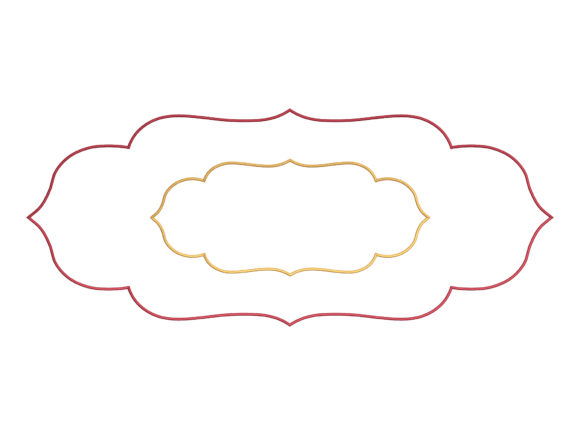
The title alone suggests a rich heritage. The Ottoman Classic Symmetrical Embroidery evokes images of intricate patterns, balanced geometry, and timeless sophistication. For a boutique bakery, a high-end florist, or a creative studio, this visual language is powerful. Unlike modern, asymmetrical trends that can feel fleeting, the symmetry here offers a sense of stability and trustworthiness. When reviewing the preview of this Embroidery category item, the balance feels intentional. It does not scream for attention in a chaotic way; instead, it whispers luxury and craftsmanship.
For an Etsy seller or a handmade brand, this design acts as a premium stamp of approval. It elevates a simple tote bag or a basic apron into a collectible piece of custom apparel. The symmetrical nature of the pattern ensures that it looks correct from any angle, which is crucial for items like caps or bags where the logo might be viewed from different perspectives. However, the complexity inherent in "Ottoman" styles requires careful consideration regarding stitch density and fabric choice before committing to a full production run.
Real-World Applications for Branded Merchandise
Where does the Ottoman Classic Symmetrical Embroidery truly shine? My experience suggests it is perfect for creating high-value embroidered patch designs. Patches are versatile assets for any brand. You can sew them onto denim jackets for a streetwear vibe, attach them to canvas totes for eco-friendly branding, or use them on staff uniforms to denote seniority or department. The symmetrical border style works exceptionally well as a frame for a central logo or text, turning a standard work shirt into a cohesive uniform.
Consider the application on apron embroidery for a café or kitchen staff. A symmetrical border running along the chest pocket or hem adds a touch of class without overwhelming the wearer. Similarly, for cap embroidery, this design can serve as a stunning side detail or a back-of-the-head accent, provided the scale is adjusted correctly. The intricate details of the Ottoman Classic Symmetrical Embroidery also make it an excellent candidate for tote bag design, particularly on heavier canvas materials where the stitches can stand out against the texture.
For product designers and merch creators, this digital embroidery file serves as a fantastic asset for event merchandise or customer gifts. Imagine a limited-edition run of hoodies for a local art gallery opening, featuring this pattern as a sleeve detail. It transforms generic clothing into exclusive brand memorabilia. The design's versatility allows it to function as a standalone graphic or as a sophisticated border that enhances other design assets you may already own.
Critical Considerations for Production
While the aesthetic potential is high, a professional designer knows that execution is everything. There are specific scenarios where the Ottoman Classic Symmetrical Embroidery must be used with caution. First, consider the size. Intricate symmetrical patterns often rely on fine details to convey their beauty. If you attempt to shrink this design too much for a tiny embroidered patch or a small cap front, the details will blur, and the stitch count may become unmanageable, leading to puckering or thread breakage.
Fabric texture is another major factor. This design features complex lines that interact heavily with the base material. On very textured fabrics like heavy corduroy or thick wool, the fine details of the Ottoman pattern might get lost in the weave. Conversely, on dark uniforms, the contrast of the thread colors becomes paramount. A light-colored thread on a black background requires precise tension settings to avoid showing the backing material through the stitches.
Furthermore, items requiring frequent washing, such as daily-use staff aprons or gym wear, need robust construction. High stitch density areas common in classic patterns can sometimes stiffen the fabric over time. If you are using this for high-wear items, ensure you select a flexible stabilizer and perhaps reduce the density slightly in your digitizing software if you have access to edit the file, or choose a larger hoop size to allow for better distribution of tension.
Impact on Brand Identity and Customer Trust
In the competitive landscape of small business, visual consistency is key to building brand identity. The Ottoman Classic Symmetrical Embroidery offers a unique signature that sets your brand apart from competitors using generic clip-art logos. When customers see this level of detail on your finished product, it signals that your business values quality and attention to detail. This perception directly influences customer trust and perceived product value.
For handmade brands, this design reinforces the narrative of artisanal care. It tells the buyer that the item was not mass-produced by a machine without soul, but rather carefully curated. Whether used on packaging accents or as a label on a handmade quilt, the design enhances the handmade product presentation. It creates a visual anchor that helps with recognition. Over time, seeing this specific symmetrical motif on various products builds a strong association with your brand name.
Practical Designer Notes for Buyers
Before integrating the Ottoman Classic Symmetrical Embroidery into your commercial workflow, follow these essential steps. Remember, this is a digital product; no physical item will be shipped. You receive an instant download in ZIP or RAR format. Because there are no returns or refunds for digital products, due diligence is required.
- Test in Black and White: Before selecting your final thread colors, run a test stitch in a single neutral color. This helps you evaluate the flow of the design and identify any potential gaps or density issues without the distraction of color.
- Check Scalability: Verify that the design remains legible at the size you intend to use. Do not assume it will look good on a small patch just because it looks great on a large jacket.
- Confirm Hoop Size: Ensure your embroidery machine's hoop can accommodate the full width and height of the Ottoman Classic Symmetrical Embroidery without needing to re-hoop mid-stitch, which can cause registration errors.
- Use Proper Stabilizer: Given the likely complexity of the pattern, invest in a high-quality tear-away or cut-away stabilizer appropriate for your fabric type to prevent distortion.
- Create a Mockup: Always generate a printable mockup or stitch a sample on a scrap piece of the actual fabric you plan to use. Show this to your client or team for approval before starting a bulk order.
- Review Licensing: While the file is yours to use, always confirm the commercial licensing terms included with the download to ensure you are covered for commercial embroidery projects and resale of finished goods.
The Ottoman Classic Symmetrical Embroidery is a powerful tool for businesses looking to elevate their merchandise. By understanding its strengths and limitations, you can leverage this Embroidery design to create products that not only look beautiful but also build a lasting, professional reputation for your brand.