Pig Nose Embroidery Design Review for Real Projects
As an embroidery designer who has spent years navigating the landscape of digital assets, I understand the pressure of finding a machine embroidery design that translates perfectly from screen to fabric. Recently, I evaluated the Pig Nose Embroidery Design available on Creative Fabrica to determine if it holds up under the scrutiny of commercial use and high-quality handmade production. This review is not just about aesthetics; it is about how this specific embroidery file performs when you are preparing a custom order for a client or stocking your Etsy shop with seasonal items.
First Impressions: Visual Mood and Stitch Personality
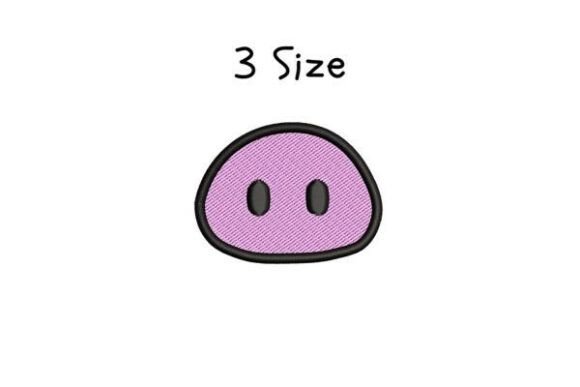
When I first opened the preview for the Pig Nose Embroidery Design, the immediate impression was one of playful charm. The design captures the iconic look of a pig's snout with clean lines and distinct nostril details. In the realm of Farm Animals themes, simplicity often wins, and this design leans heavily into that aesthetic. It feels less like a complex illustration and more like a bold icon, which is excellent for small-scale applications where intricate details might get lost in the stitching process.
The visual mood is lighthearted and rustic, making it a natural fit for nursery decor, kitchen textiles, or casual apparel. The balance between what appears to be satin stitch outlines and fill stitch areas suggests a design that prioritizes durability and clarity over excessive texture. For a professional decorator, this kind of clarity is crucial because it reduces the risk of thread bunching or registration errors on tricky fabrics.
Performance in Real-World Embroidery Scenarios
Before committing to a customer order, I always simulate how a design will behave on different substrates. The Pig Nose Embroidery Design shows great promise for a variety of real-world projects. Because of its compact nature, it is ideal for custom apparel such as sweatshirts, where placing a large graphic might overwhelm the garment. A small, well-executed pig nose on the chest pocket area of a flannel shirt creates a subtle, stylish statement.
I also envision this design working beautifully on tote bag design projects. Canvas is a forgiving fabric, but it requires a design that stands out without being too dense. The contrast potential here is high; using a bright pink thread against a neutral canvas tote would make the finished product pop. Similarly, for baby items like bibs or onesies, the rounded shapes of the pig nose are inherently safe and soft-looking, avoiding sharp angles that might irritate sensitive skin.
For those creating embroidered patch collections, this design offers a strong silhouette. Patches require a defined edge, and the clear boundaries of the pig nose suggest it would cut cleanly after stabilizer removal. Whether you are selling these patches individually or incorporating them into a larger handmade product line, the design maintains its integrity even when scaled down.
Navigating Practical Challenges and Fabric Types
While the design looks promising, every digital embroidery file comes with practical considerations. One of the primary concerns with small animal features is stitch density. If the fill is too tight, the design can pucker on stretchy fabrics like jersey knit. If it is too loose, it may show the backing material through the holes. When using the Pig Nose Embroidery Design, I strongly recommend testing on scrap fabric first to gauge the density relative to your specific machine settings.
Another critical factor is the hoop size. Since this is a small motif, it should fit comfortably within most standard hoops, including 4x4 inch and 5x7 inch sizes. However, if you plan to combine it with lettering or other elements, ensure you have enough space to prevent the needle from hitting the hoop frame. For curved surfaces like caps, the flat nature of the design is advantageous, but you must ensure proper stabilization to prevent the fabric from shifting during the stitching sequence.
Working with dark fabrics presents another challenge. The description notes that the design can be embroidered on any fabric, but achieving a beautiful and flat finish on black or navy materials often requires a top layer of tear-away or cut-away stabilizer. Without adequate backing, the thread colors used for the pig nose might appear dull or uneven. Always compare light and dark fabric mockups before finalizing your color palette to ensure the design remains visible and vibrant.
Enhancing Product Value and Brand Consistency
In the competitive world of online crafting, the quality of your finished product directly impacts buyer trust. Using a well-designed asset like the Pig Nose Embroidery Design can elevate the perceived value of your goods. A crisp, professional-looking embroidery suggests attention to detail, which encourages repeat customers and positive reviews on platforms like Etsy.
This design also offers excellent opportunities for brand consistency. If you run a boutique specializing in farm-to-table themes or rustic home goods, incorporating this motif across various products—from kitchen towels to pillow covers—creates a cohesive collection. Customers love recognizing familiar motifs, and a consistent visual identity helps build loyalty. Furthermore, the versatility of the design allows for creative variations. You could pair it with different fonts for personalized gifts or combine it with other Farm Animals designs to create a whimsical scene.
From a marketing perspective, the Pig Nose Embroidery Design photographs exceptionally well. Its simple shape stands out in printable mockup presentations, allowing you to showcase your products effectively on social media. High-quality images of the stitched design on actual products can drive engagement and sales, proving that the investment in a quality Creative Fabrica embroidery asset pays off in visibility.
Essential Tips for Successful Execution
To get the best results with this machine embroidery design, follow these practical steps:
- Test on Scrap Fabric: Never skip the test run. Check for puckering, thread breaks, or misaligned stitches before touching your final project.
- Verify File Details: Although the product description mentions instant download, always confirm the specific file formats (such as .PES, .DST, or .JEF) supported by your machine on the Creative Fabrica product page.
- Select the Right Stabilizer: As noted in the product description, proper stabilization is key. Use a medium-weight tear-away for stable fabrics and a heavier cut-away for knits or stretchy materials.
- Check Thread Contrast: Ensure the thread colors you choose provide enough contrast against the base fabric so the details of the pig nose remain distinct.
- Inspect Small Details: After stitching, examine the nostrils and outline closely. Trim any loose threads to maintain a professional appearance.
- Review Licensing: Before selling your commercial embroidery products, double-check the license terms on the product page to ensure you are compliant with usage rights for physical goods.
Final Thoughts on the Pig Nose Embroidery Design
After reviewing the Pig Nose Embroidery Design through the lens of a working designer, I find it to be a versatile and reliable addition to any digital library. It strikes a good balance between simplicity and character, making it suitable for everything from quick personalized gift ideas to larger commercial embroidery runs. While it requires the same care and attention to stabilization as any other design, its clean lines and charming appeal make it a low-risk, high-reward asset.
For crafters, small business owners, and embroidery enthusiasts looking to expand their portfolio with cute, functional designs, this embroidery file is definitely worth considering. It fits seamlessly into the Farm Animals category while offering enough flexibility to stand alone as a focal point. By following best practices for testing and stabilization, you can ensure that every piece featuring this design meets the high standards your customers expect.