Western Cowboy Paw Embroidery Design Review
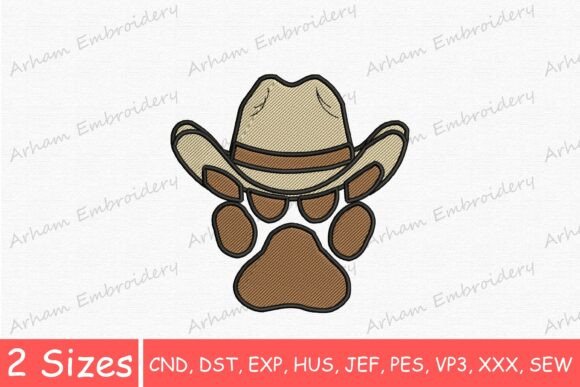
As I set up my table for the upcoming weekend craft fair, I am constantly evaluating which machine embroidery design will grab a passerby's attention from three feet away. Today, I am putting the Western Cowboy Paw Embroidery Design under the microscope. This specific file promises a rustic dog lover stitch pattern featuring a paw print with a hat and sunglasses, blending country rodeo vibes with ranch style. For an Etsy seller or a booth owner looking to dominate the handmade market, this concept hits a sweet spot between nostalgia and modern pet humor. But does it translate well from a digital screen to a physical craft fair product? Let's dive into the practical realities of turning this embroidery file into a best-seller.
First Impressions: Rustic Charm Meets Modern Appeal
The moment I load the preview of the Western Cowboy Paw Embroidery Design, the aesthetic is immediately clear. It is not a delicate, floral farmhouse piece; it is bold, playful, and distinctly thematic. The combination of a classic paw print with cowboy accessories like a hat and sunglasses creates an instant narrative. It feels less like a generic pet portrait and more like a character study. For the Farm category in our shop, this design stands out as a premium option that appeals to both serious equestrians and casual dog owners who love the Western lifestyle.
In person, the design has a strong visual weight. It is not minimal or soft; it is decorative and confident. When placed on a neutral background, the contrast makes the "cool" factor of the sunglasses pop. This is exactly what we need for a booth display where customers are scanning quickly. A design that tells a story at a glance is crucial for impulse buys. If a customer sees a tote bag with this motif, they immediately picture their own dog strutting around the ranch. That emotional connection is the key to selling a handmade product.
Product Performance: Where Does It Shine?
When considering how to apply the Western Cowboy Paw Embroidery Design, the choice of substrate matters immensely. Based on my experience with similar motifs, here is how I expect it to perform across various items:
- Tote Bags: This is arguably the strongest application. A sturdy canvas tote provides a flat, stable surface for the design. The tote bag design can be centered or placed near the bottom corner. The rugged texture of canvas complements the rustic theme perfectly, making it an ideal small shop product for farmers markets.
- Aprons: For kitchen wear, this apron embroidery adds a touch of personality to a utilitarian item. Placing the design on the bib area ensures high visibility. It works exceptionally well for gift-giving, especially for birthdays or Mother's Day.
- Tea Towels: While tea towel embroidery is popular, the looped texture of terry cloth can sometimes challenge intricate details. However, the bold lines of the hat and sunglasses should hold up well if the thread tension is correct. It transforms a basic kitchen staple into a conversation starter.
- Caps: Curved surfaces require careful planning. The brim of a cap is a great location for this design, but the curve might distort the sunglasses slightly. It is essential to test the fit before committing to a batch production run.
- Embroidered Patches: Creating patches allows for maximum versatility. Customers can iron them onto denim jackets, backpacks, or jeans. This extends the life of the digital embroidery file beyond just your inventory.
- Pillow Covers: For home decor, a large version of this design on a linen pillow cover looks sophisticated yet fun. It fits seamlessly into a country-style living room.
Production Realities: Stitch Density and Fabric Texture
While the concept is sound, the execution requires attention to detail. As an experienced designer, I always warn against assuming a file will work on every fabric without testing. The Western Cowboy Paw Embroidery Design contains distinct elements—the fur texture of the paw, the brim of the hat, and the lenses of the sunglasses. These areas can vary significantly in stitch density.
If the density is too high in the dark areas of the sunglasses or the hat, the fabric may pucker, ruining the professional look of the finished product. Conversely, if the density is too low, the design might look flimsy. I strongly advise running a test on scrap fabric first. Check the thread colors against your chosen material. For example, using a bright orange or red thread for the hat against a navy blue background creates excellent contrast, whereas light gray on white might get lost.
Fabric texture is another critical variable. On thick fabrics like denim or heavy canvas, the stabilizer choice becomes paramount. You cannot skip the stabilizer here; use a cut-away stabilizer to support the dense stitching of the paw print. On textured towels, the loops can cause threads to sink in, making tiny details like the reflection in the sunglasses disappear. If you plan to sell these as commercial embroidery items, ensure the design remains legible even on challenging textures.
Selling Strategy: Visual Appeal and Customer Engagement
The success of the Western Cowboy Paw Embroidery Design at a craft fair depends heavily on presentation. In a crowded booth, your samples must scream quality. I recommend creating at least one real mockup of each major product type. A photo of the design on a pristine white apron often sells better than a digital rendering because customers can see the thread sheen and texture.
For online listings, such as those on Etsy, the printable mockup needs to show the design in context. Show the tote bag being carried, or the pillow on a rustic sofa. This helps the buyer visualize the handmade product in their own life. The "cool dog" angle is a powerful marketing hook. Use keywords like "ranch style," "country rodeo," and "pet lover" in your descriptions to attract the right audience.
This design also offers great brand consistency. If you have a line of Western-themed goods, this design asset ties everything together. It builds a cohesive look that suggests a curated collection rather than random inventory. When customers see multiple products with this consistent aesthetic, it increases the perceived value of your entire booth or shop.
Designer Checklist Before Batch Production
Before you commit to producing hundreds of units, run through this checklist to ensure the Western Cowboy Paw Embroidery Design performs flawlessly:
- Test on Scrap Fabric: Always embroider a sample on the exact fabric you intend to sell. Check for puckering and thread breaks.
- Verify Hoop Size: Confirm that the design fits within your standard hoop sizes. If it requires a larger hoop, consider the logistics of your machine setup during busy sales periods.
- Inspect Stitch Density: Look closely at the sunglasses and hat brim. Are there any gaps? Is the backing showing through? Adjust settings if necessary.
- Check Thread Contrast: Ensure the colors stand out against the fabric. Dark fabrics often require metallic or neon threads to make the design pop.
- Use the Right Stabilizer: Do not skimp on stabilization. A wobbly design looks cheap and reduces the perceived value of your commercial embroidery products.
- Create Real Mockups: Take high-quality photos of the actual stitched items for your marketing materials.
- Confirm Licensing: Double-check the terms of the embroidery file. Ensure you have the rights to sell finished goods, especially if you plan to scale your business.
By following these steps, you transform a simple digital file into a profitable, high-quality offering. The Western Cowboy Paw Embroidery Design has all the makings of a craft fair favorite, provided you respect the mechanics of embroidery and the psychology of the shopper. With the right execution, this design will not only fill your booth with charm but also drive sales for your handmade business.