Wrapped Candy Embroidery: A Designer's Practical Review
As a designer who has spent years navigating the delicate balance between digital files and physical thread, I approach every new machine embroidery design with a specific set of questions. Does it stitch cleanly? Will it hold up on the intended fabric? Most importantly, does it add genuine value to a finished product? When I first opened the preview for Wrapped Candy Embroidery, my immediate reaction was one of cautious optimism. The concept is undeniably sweet, fitting perfectly into the Dessert category, but the real test lies in how this embroidery file translates from a screen to a tangible handmade product.
The First Impression: Visual Weight and Mood
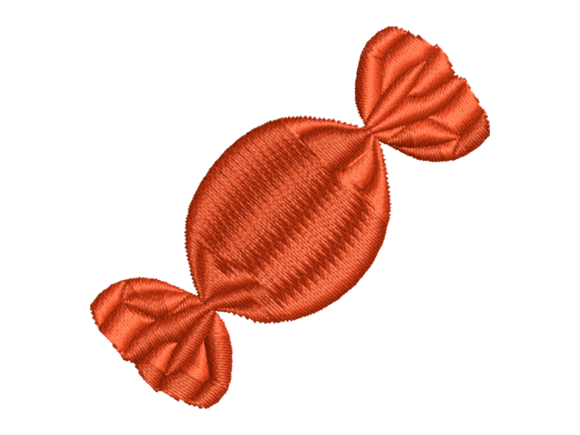
At first glance, Wrapped Candy Embroidery exudes a playful, nostalgic charm. It captures that specific aesthetic of unwrapping a treat on a rainy afternoon or adding a pop of color to a holiday gift. The visual personality is bold yet compact. Unlike some overly intricate designs that rely on thousands of tiny stitches to create an illusion of detail, this design seems to prioritize clean lines and recognizable shapes. This is crucial for commercial embroidery where clarity often trumps complexity.
For a craft business owner looking to expand their catalog, this design offers a distinct mood. It feels whimsical without being childish, making it versatile enough for both adult novelty items and children's wear. The layout suggests a balanced composition, likely utilizing a mix of satin stitch for the wrapper edges and fill stitch for the candy body. This combination is generally reliable for creating depth, provided the stitch density is managed correctly during the digitizing process.
A Real-World Scenario: The Custom Tote Bag Project
To truly evaluate Wrapped Candy Embroidery, I imagine placing it on a sturdy canvas tote bag for a local boutique. Imagine a client walking into a shop, looking for a unique personalized gift for a friend who loves sweets. They spot a natural cotton tote featuring this vibrant design centered on the front. The contrast between the earthy fabric and the bright thread colors creates an immediate visual hook.
In this scenario, the design serves as the focal point. Because the shape is relatively contained, it doesn't overwhelm the bag. If I were selling these as Etsy listings, I would pair this with a simple tag explaining the "sweet surprise" theme. Customers react positively to designs that tell a micro-story. The wrapped candy motif implies joy and gifting, which aligns perfectly with the intent of buying a tote bag. However, the success of this project hinges on the execution. If the hoop size is too small, the details might get lost; if the stabilizer is insufficient, the canvas texture could cause puckering.
Stitching Clarity and Fabric Interaction
When moving beyond tote bags to custom apparel, such as sweatshirts or t-shirts, the behavior of Wrapped Candy Embroidery changes slightly. On a fleece sweatshirt, the loft of the fabric can sometimes obscure fine details. Here, the design's reliance on solid blocks of color rather than minute line work becomes a significant advantage. It ensures that even when stitched over a textured surface, the image remains legible.
However, caution is required with thin fabrics like lightweight cotton tees. The weight of the thread, especially if the design includes dense fill stitch areas, can distort the fabric. In my experience, using a cutaway stabilizer is non-negotiable here. Without it, the garment may warp after the first wash, ruining the professional look of the finished product. For baby embroidery, where softness is paramount, a water-soluble stabilizer would be the better choice to ensure the back of the stitching remains flexible against sensitive skin.
Navigating Potential Pitfalls
No digital embroidery file is universally perfect for every application. There are specific scenarios where Wrapped Candy Embroidery requires careful handling. Curved surfaces, such as baseball caps, present a challenge. The rounded nature of a cap can stretch the design horizontally if not properly adjusted in the software before stitching. The corners of the candy wrapper, if sharp, might lose definition on a curved brim.
Additionally, dark fabrics demand attention to thread colors. While the design looks vibrant in a preview, stitching light-colored candy on black denim without an underlay can result in a muddy appearance. The underlying fabric shows through gaps in the running stitch or fill, dulling the impact. Testing the design on a scrap piece of the actual target fabric is essential. This step allows you to verify the stitch density and adjust the pull compensation settings on your machine to prevent tunneling.
Small Hoops and Tiny Details
If you plan to use this design for an embroidered patch or a small accent on a pillow cover, check the minimum dimensions carefully. Some elements of the wrapper might become indistinguishable if scaled down too far. A design that looks crisp at 4 inches can turn into a blob at 1.5 inches. Always review the design assets at 100% zoom to inspect small details. If the file includes text or very fine lines, they may need to be removed or thickened for smaller applications.
Professional Considerations for Sellers
For small shop owners and creative entrepreneurs, consistency is key to building brand trust. Wrapped Candy Embroidery offers a cohesive look that can tie together a seasonal collection. Whether you are creating holiday gifts, nursery decor, or kitchen towels, the design maintains its character across different mediums. This versatility increases the perceived value of your inventory.
Before launching a product line, I always recommend creating printable mockups to visualize the final outcome. Compare the design against light and dark backgrounds to see how the colors pop. Does it look professional? Does it look like something a customer would proudly wear or display? These mockups are vital for your online store, helping buyers understand exactly what they are purchasing.
Licensing and Commercial Use
Remember that this is a digital product delivered in ZIP or RAR format. No physical item will be shipped, and there are no returns or refunds once the download begins. As a seller, you must confirm the licensing terms included with the purchase. Can you sell the finished product? Are you allowed to sell the design itself? Understanding these boundaries protects your business from legal issues. Assuming standard commercial licenses apply, this design is a valuable asset for expanding your offerings without the cost of physical inventory.
Final Verdict for the Maker
Wrapped Candy Embroidery is a strong contender for designers seeking a fun, marketable motif. It balances simplicity with enough visual interest to stand out in a crowded marketplace. From sweatshirt embroidery to decorative accents on aprons, its adaptability makes it a worthwhile addition to your library. Just remember the golden rule of embroidery: always test first. Check your hoop size, choose the right stabilizer, and ensure your thread contrasts well with your fabric.
With proper preparation, this design can elevate your handmade presentation and delight your customers. It is more than just a pattern; it is a tool for creating memorable, high-quality goods that resonate with people who appreciate the charm of a little sweetness in their daily lives.